 Phone (02) 6551 5555
 BUY DIRECT FROM YOUR LOCAL GROWER
shop now
BUY DIRECT FROM YOUR LOCAL GROWER
shop now
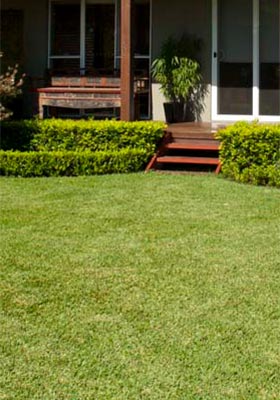
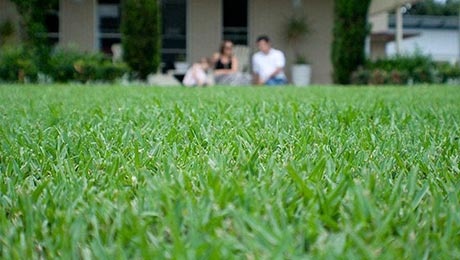
Sir Walter DNA Certified Turf is Australia's No.1 Buffalo lawn, proving time and time again that it will go anywhere and grow anywhere. Born and bred in Australia for Australian conditions.
Learn More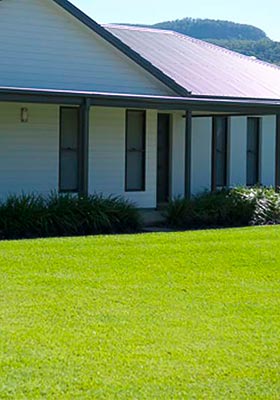
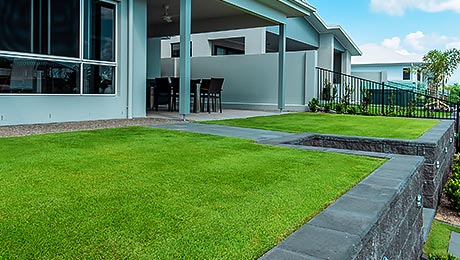
Eureka Kikuyu is a very aesthetically pleasing lawn which is also versatile. Eureka Kikuyu has been rigorously tested under Australian conditions. Eureka Kikuyu maintains its wonderful green colour and dense coverage all year round.
Learn More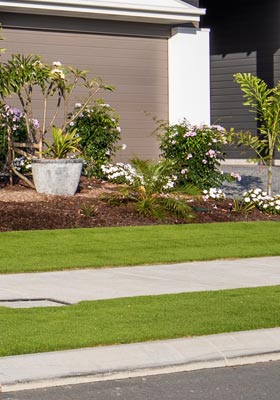
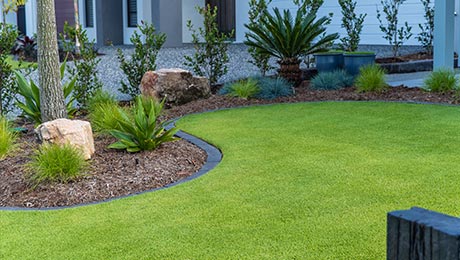
Sir Grange is a new Australian "Star-Player". Sir Grange was specifically developed for the golf industry and it was soon discovered that its characteristics would also make it suitable for domestic and commercial lawns.
Learn More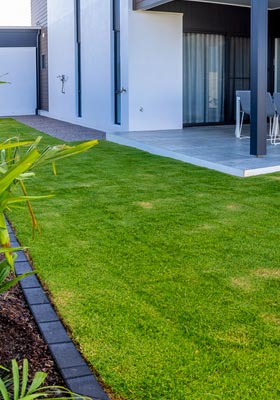
TifTuf Bermuda is the product of almost 25 years of research and development. TifTuf shows superior qualities in drought tolerance, shade tolerance, wear tolerance and winter colour whilst at the same time maintaining excellent turf quality.
Learn More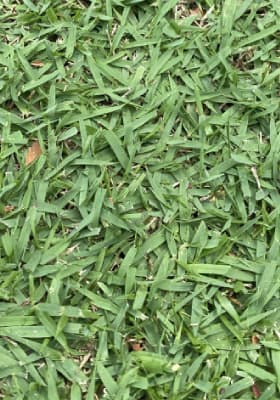
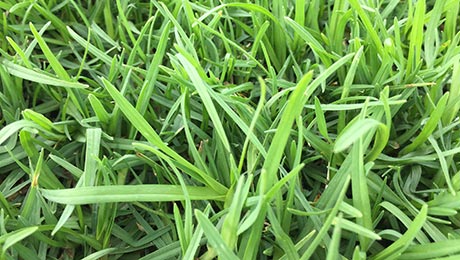
Zoysia Australis is tough, medium-textured and hardy, providing a Zoysia solution for Aussie families that can go in a wide range of areas. It can stand up to the stresses of a family and pets and has a good shade tolerance to thrive where other grasses falter.
Learn More
We offer a 10 year warranty on all our turf varieties ensuring that all of our turf is weed and pest free.

We have been growing and selling turf on the banks of the beautiful Manning River since 1985.

We employ reliable, knowledgeable and courteous delivery drivers that provide prompt delivery.

We are certified by AusGAP, ensuring that all our turf meets a stringent set of quality standards.
We have experience in growing and selling turf on the banks of the beautiful Manning River since 1985, so we can answer any turf questions you may have. Whether it be choosing which turf variety will best suit your location, or the best quality after-care products and lawn maintenance advice, our turf experts will guide you in the right direction, Monday to Friday 8:30am – 4:00pm.

Earl’s Turf has been growing and selling Turf since 1985. Earl and his team have years of experience in the Turf industry and are proud members of Lawn Solutions Australia, Turf Australia and Turf Producers International. Earl, Jenelle, Kai, Adin and their staff have a wealth of knowledge along with support from industry experts.
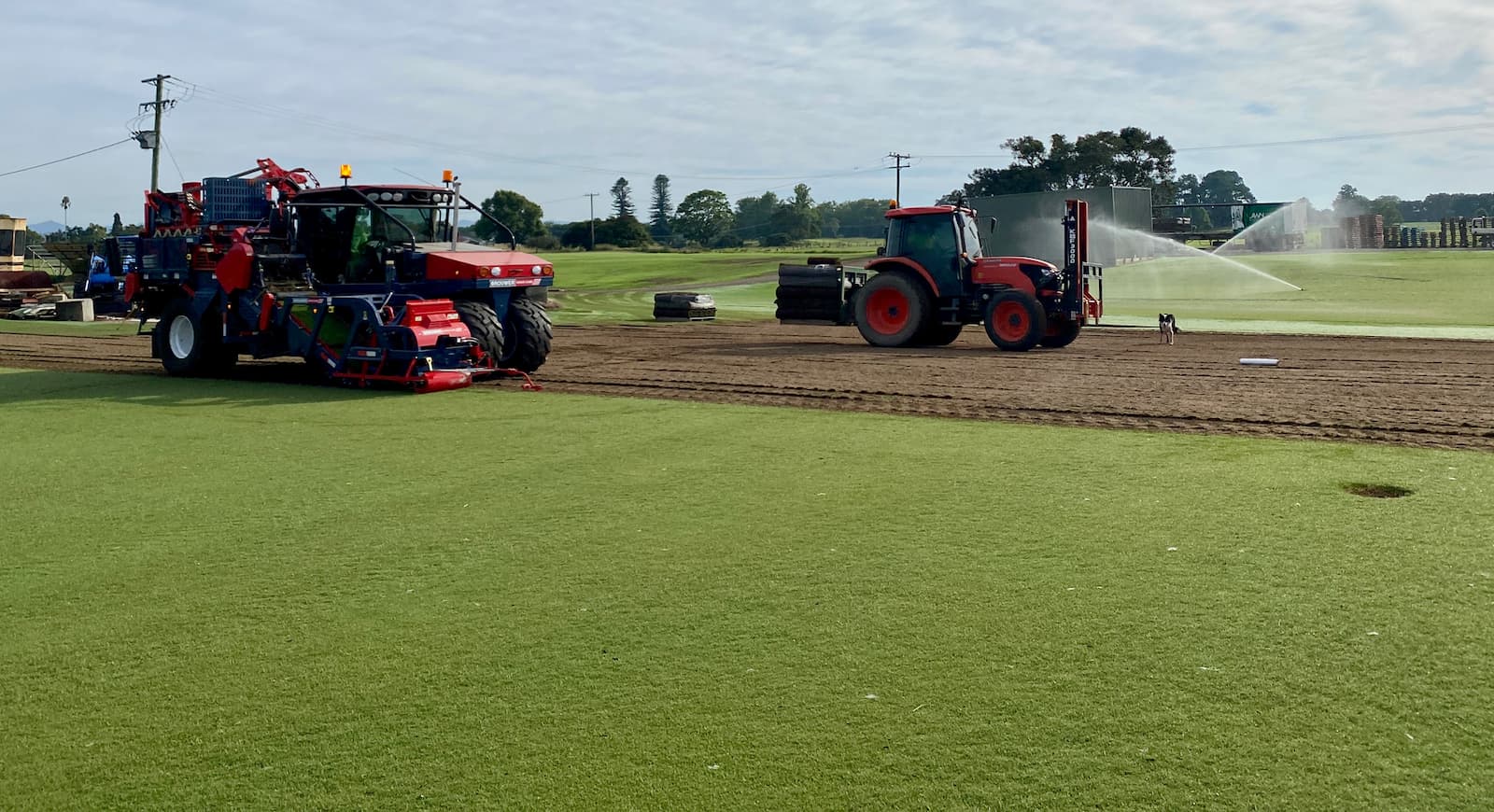
Earl’s Turf, situated on the Taree river flats of the beautiful Manning Valley on the Mid North Coast NSW, grow 5 varieties of warm season grasses, all of high quality and easy to establish.
 We are a member of Lawn Solutions Australia offering the best quality turf on the market!

AusGAP – the Australian turf accreditation program – has been created for the country’s leading turfgrass producers to provide consumers with assurance that their turf adheres to a stringent set of quality standards.
The AusGAP accreditation system not only ensures the genetic purity of a turf-grass variety where appropriate; it provides assurance that the entire production, delivery and installation process is undertaken to the highest industry standards.

 Australia's largest network of turf specialists